


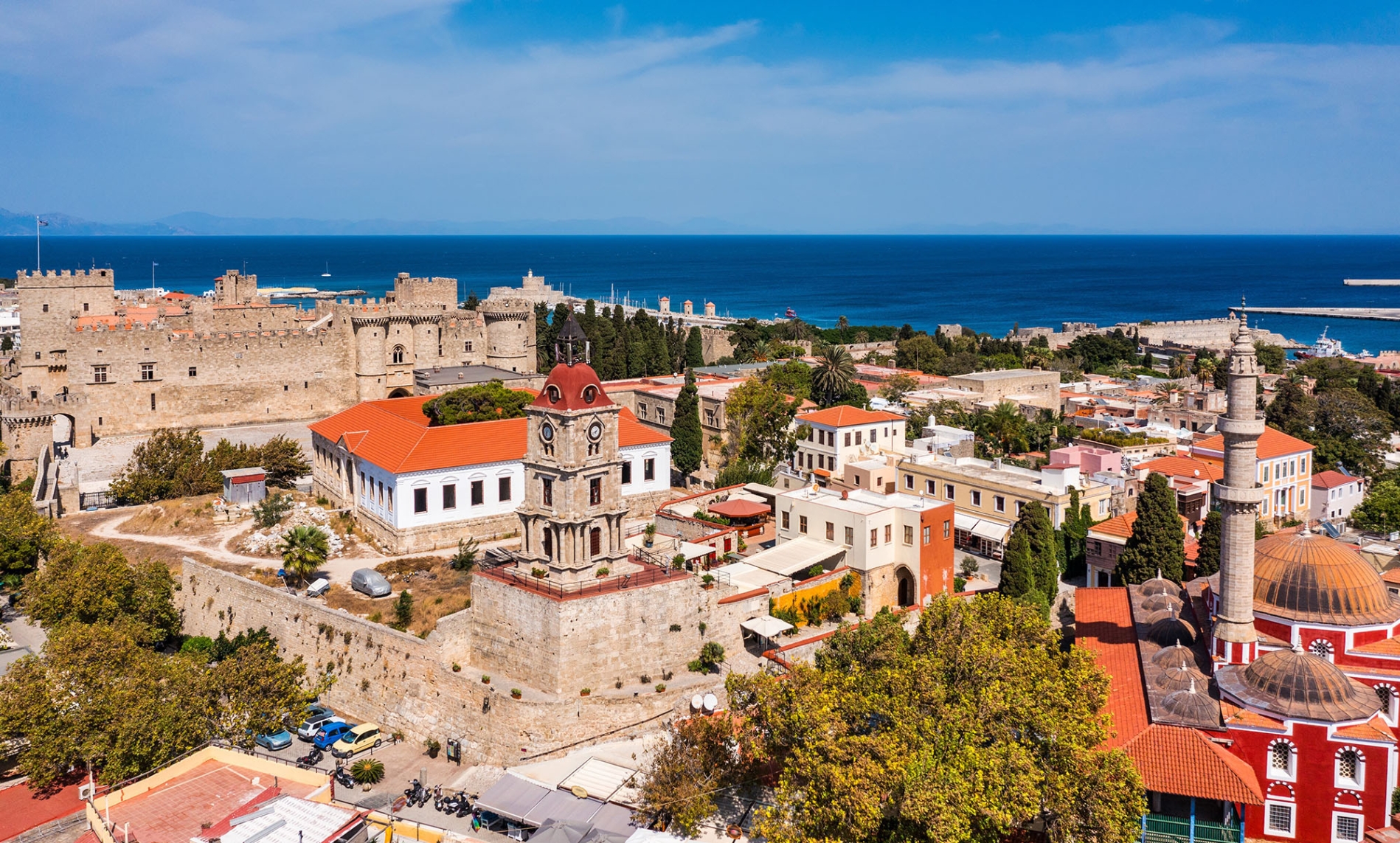
Medieval Town of Rhodes
The beautiful Medieval Town of Rhodes, an alley of varied architectures from different times, was proclaimed UNESCO in 1998 as a World Heritage City. Walking through the narrow streets within her walls, you will see legends, myths and fairy tales with knights in front of your eyes. Undoubtedly, the most obvious influences on its architecture are those of the Order of the Knights of St. John and of the Ottomans. Today, the Medieval City is a lively place where the heart of tourism, commerce and entertainment in the Emerald Island is the strongest.
* In the Medieval Town of Rhodes you will discover some of the most famous restaurants and bars of Rhodes.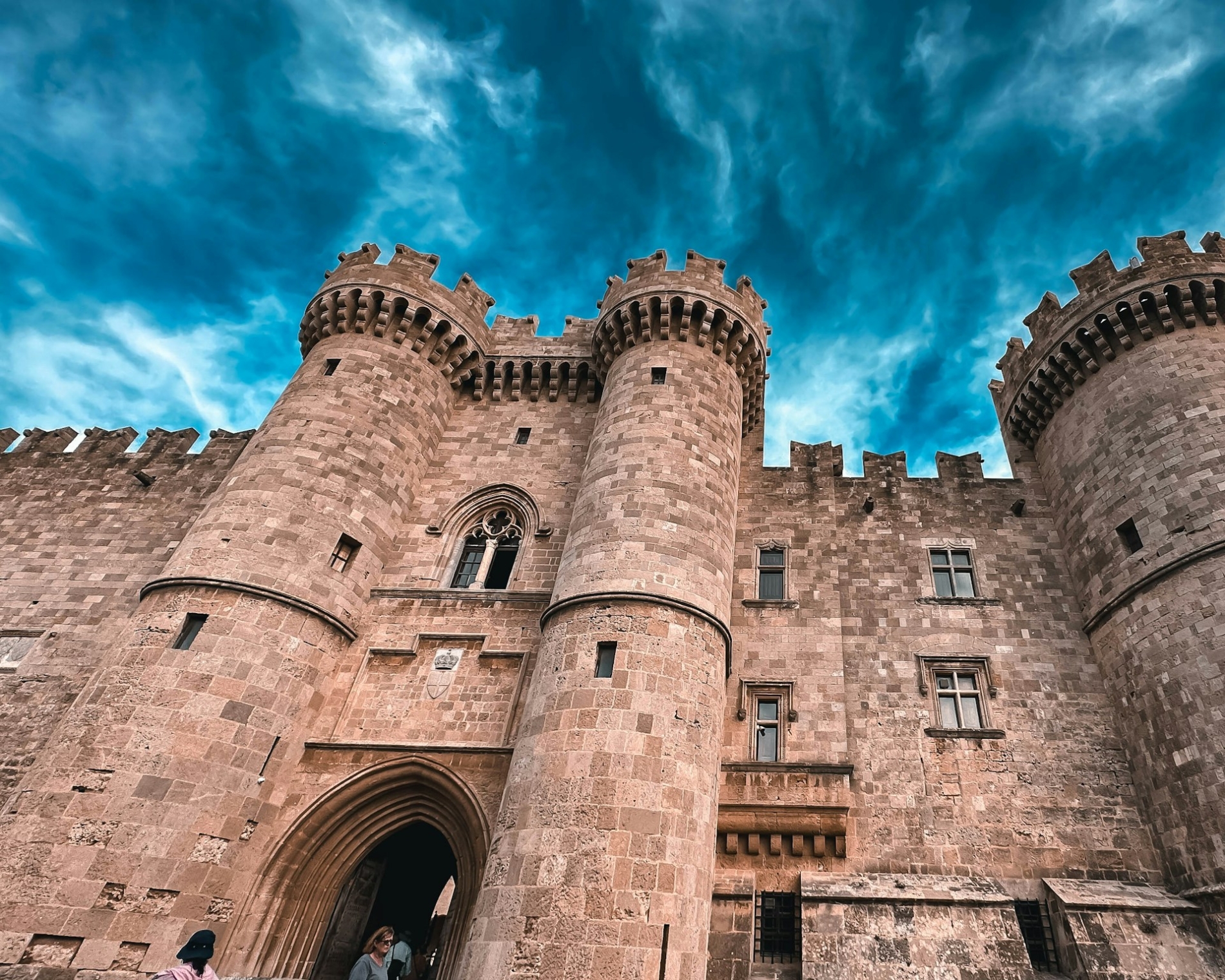
Grand Master's Palace
The most remarkable monument since the domination of the Order of the Knights of St. John on the island of Rhodes, the Palace of the Grand Master is impressive and imposing as you ascend the Knights Street in the Medieval Town of Rhodes. Built in the position of the lower Acropolis of Ancient Rhodes, at the starting point of the temple of God the Sun, the palace was created in the 14th century by the Knights of St. John to be the personal residence of the Grand Master, and at the same time serving as the administrative center town. The palace was destroyed in 1856 following a strong gunpowder explosion and was rebuilt in 1940 by the Italians, who followed his original plans, and was the command and residence of the Italian governor. Objects that stir the interest are mosaic floors, medieval furniture, columns and capitals, mirrors and paintings.
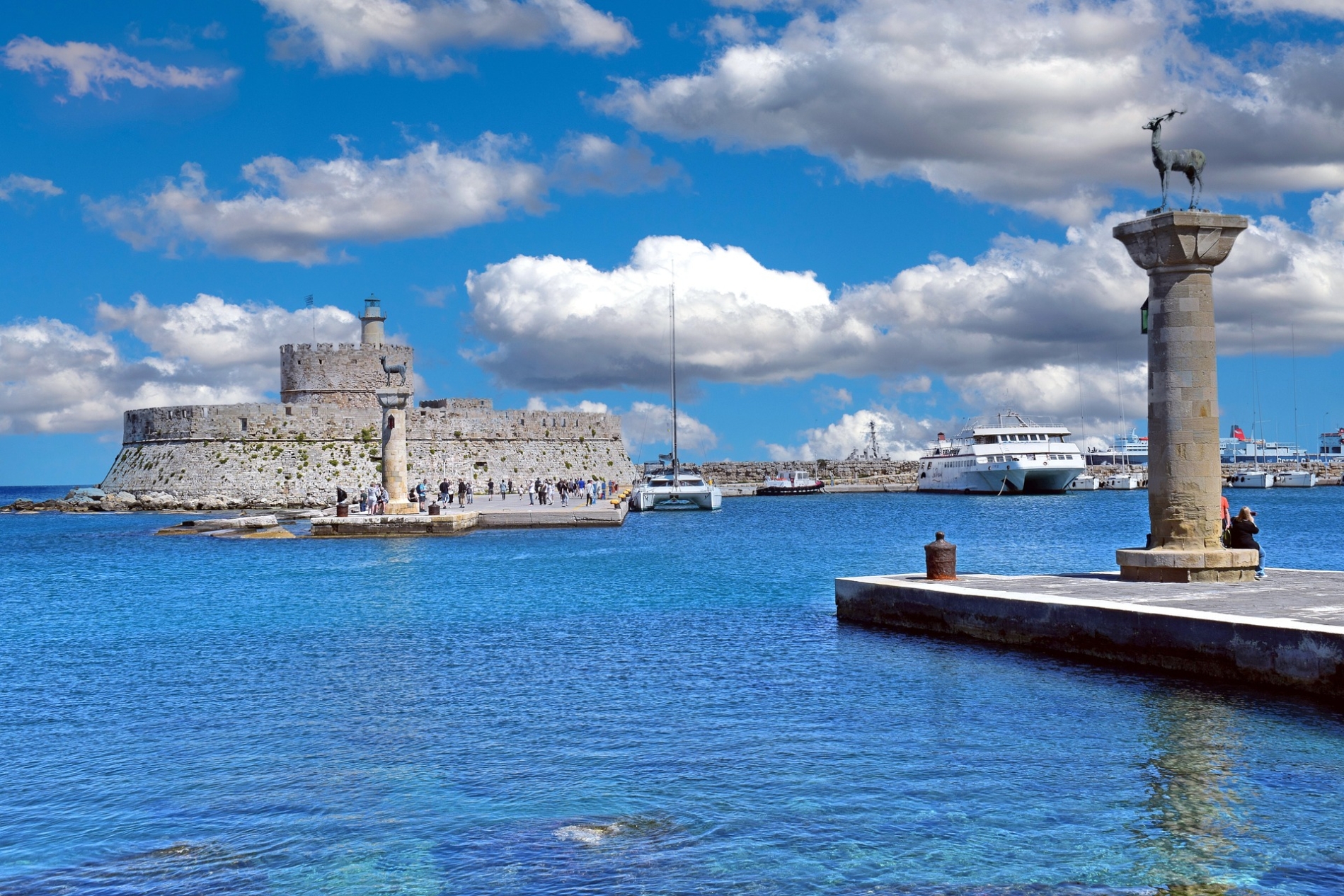
The Colossus of Rhodes
The ancient acropolis of Lindos, one of the most popular pilgrimage sites of antiquity, enclosed by the walls of the Knights, stands at an altitude of 116m. Here you will admire the impressive temple of Lindian Athena, built in Dorian style the 4th century B.C.
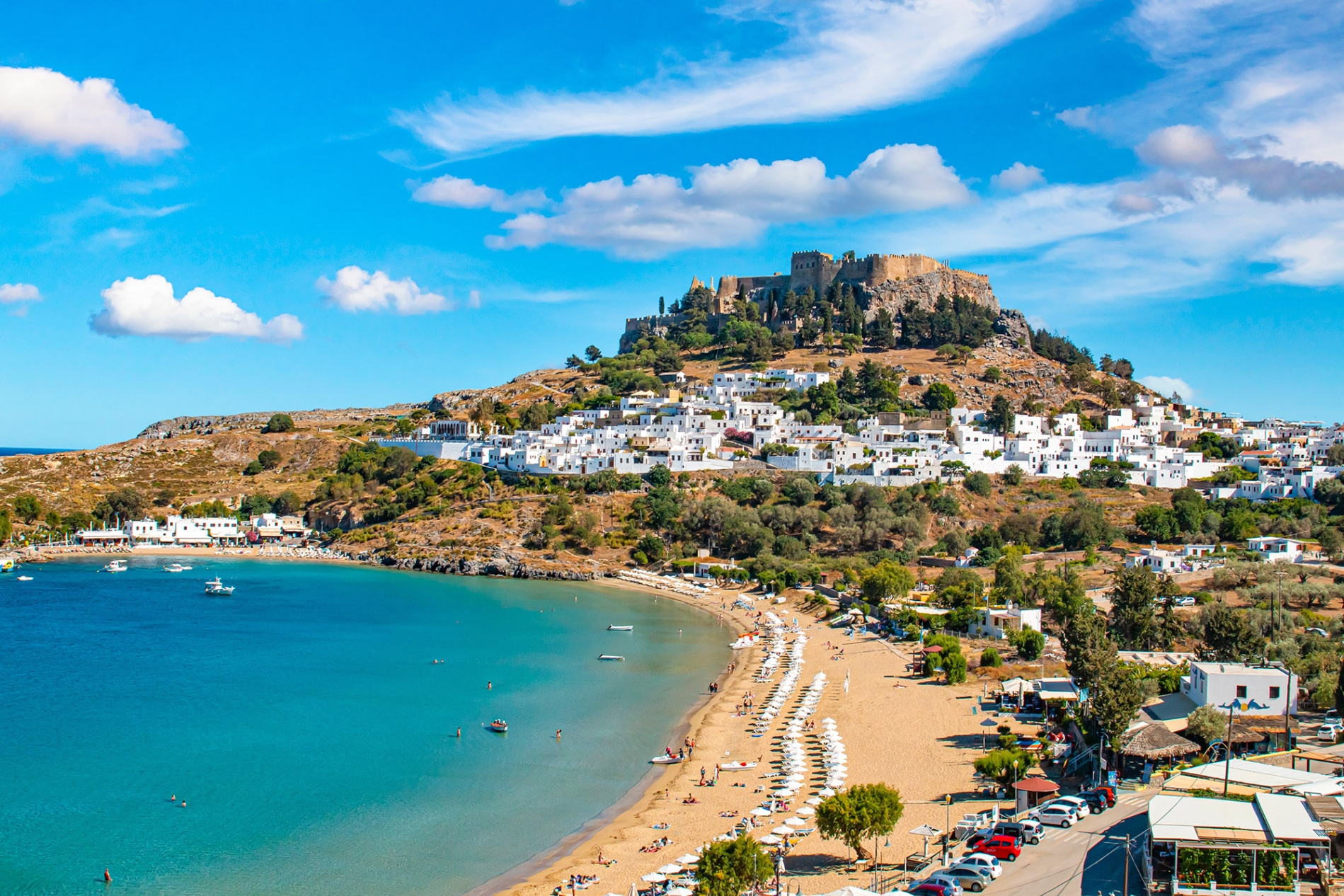
Popular Lindos
According to tradition, in the place of the dears at the harbour, once stood the Colossus. The ships sailed under its legs and the passage was closed at night with a chain. It is one of the most extraordinary ‘stories’ the Aegean Sea has to tell!
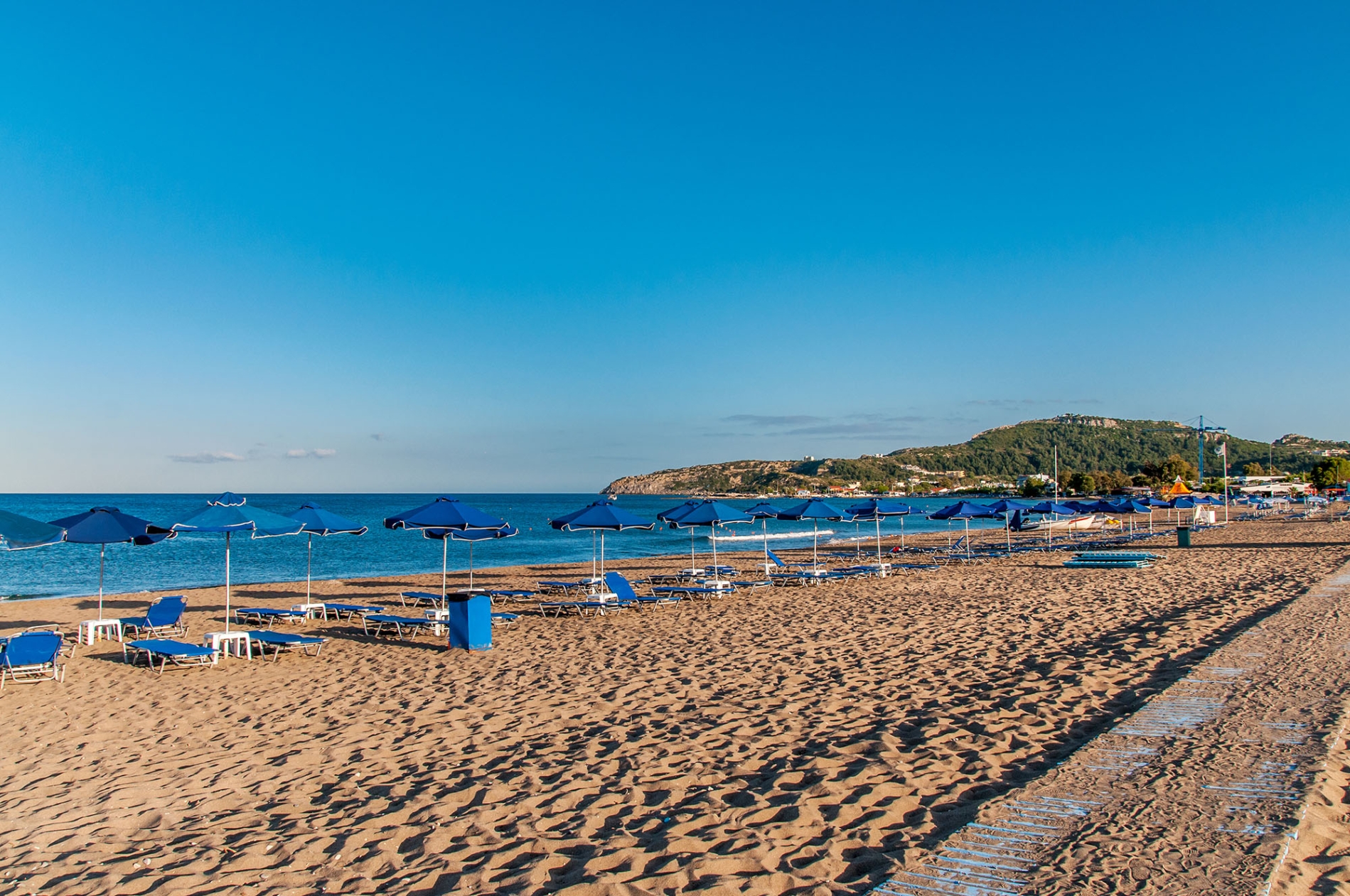
The famous Faliraki of Rhodesy
The most popular and favourite destination for young British tourists in Rhodes. Here excitement runs high, the music is loud and the alcohol…flows. A paradise for the lovers of adrenaline with all the water sports.
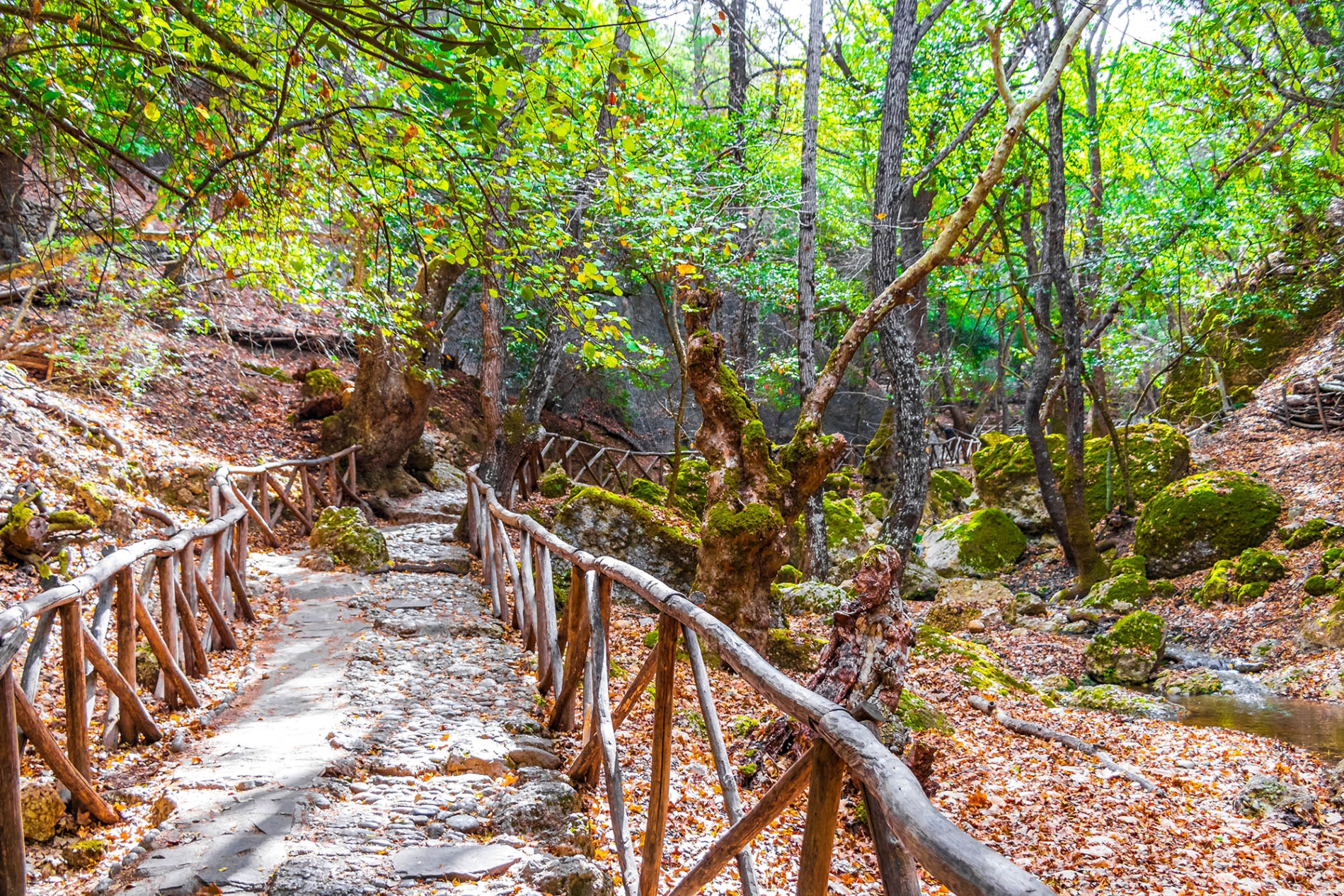
The valley with the butterflies
In a lush canyon there is a forest unique in Greece with oriental sweet gums, trees that look like sycamores. The scent of the juice they secret attract millions of butterflies of the Panaxia quandripunctaria species with the characteristic four orange dots on each wing.
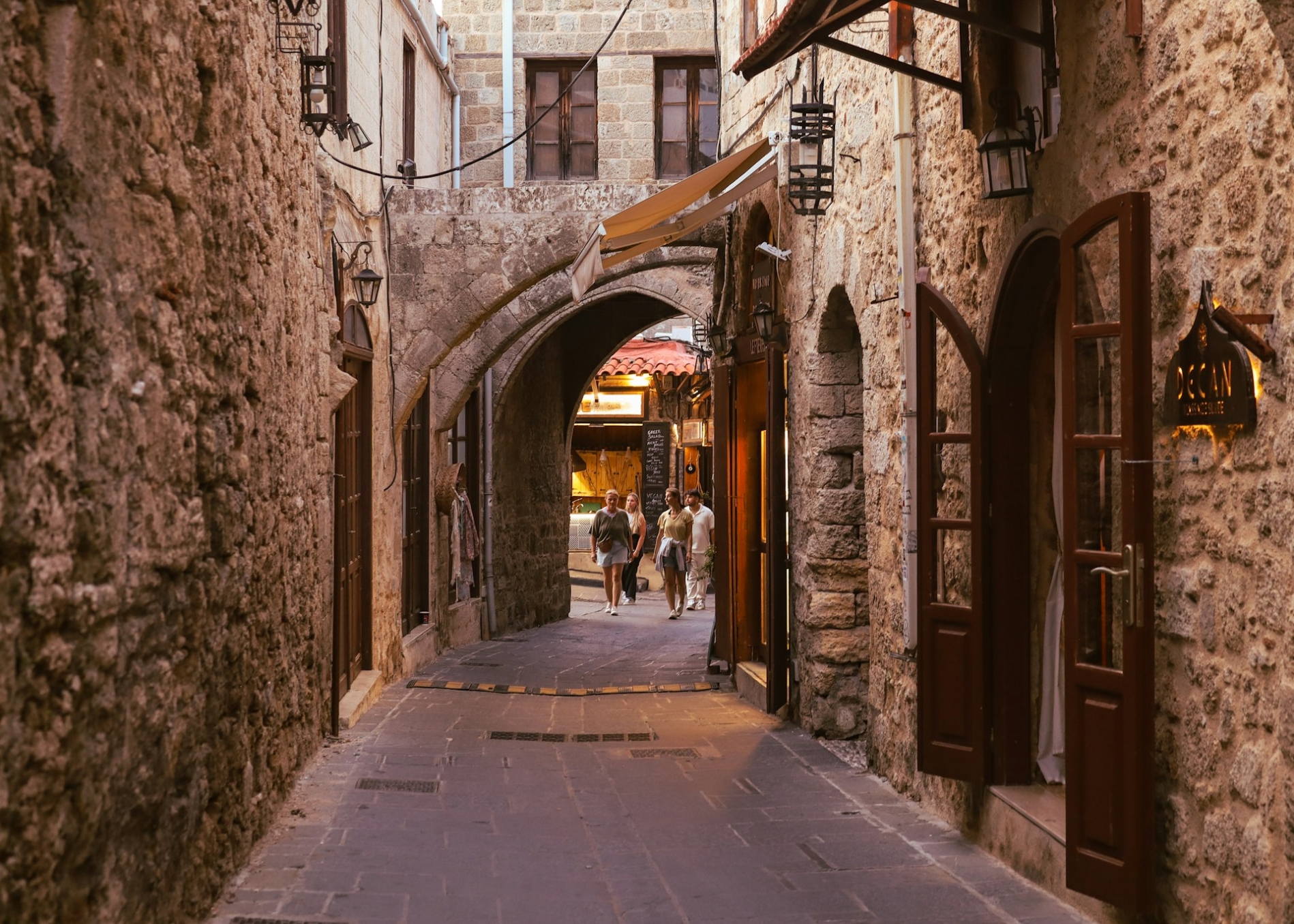
The street of the Knights
The most famous street of the Old Town of Rhodes is the street of the Knights, restored to the way it was during the medieval period. Here you will find the lodgings of the ethnic groups that comprised the Order of the Hospitallers. The highest point of the street is dominated by the impressive Castello, the Palace of the Grand Master.